
Beyond Scanning: Technology That Supports Every Unique Pair of Feet
PollyAlign brings digital foot models, lattice materials and 3D printing together to support single-shoe customization and personalized height-compensation footwear.
The accessibility app Be My Eyes began with a simple question. People with visual impairments do not need pity; they may need a temporary pair of eyes to read a label, distinguish colors or identify an object—everyday tasks that many others take for granted.

Millions of volunteers connect at the other end of a screen, offering assistance as equals rather than sympathy. The app does not remove darkness itself, but it restores something vital: the freedom to make independent choices. People can handle everyday tasks without always relying on family or others, preserving dignity in daily life.
Accessibility is not about reshaping everyone to fit a standard. It is about adapting technology to each real individual.
People left behind by standard footwear
If Be My Eyes offers a pair of eyes in darkness, people with an amputation or unequal feet often seek something equally fundamental: footwear that fits their bodies, provides stability and dignity, and frees them from the rule that shoes must always be sold in pairs.
According to public rehabilitation epidemiology figures, more than 46 million people worldwide and approximately 1.81 million in China live with lower-limb amputations, most involving one side. In China, more than a million people also have limb-length or foot differences caused by congenital development, injury or polio that meet the threshold for clinical intervention.
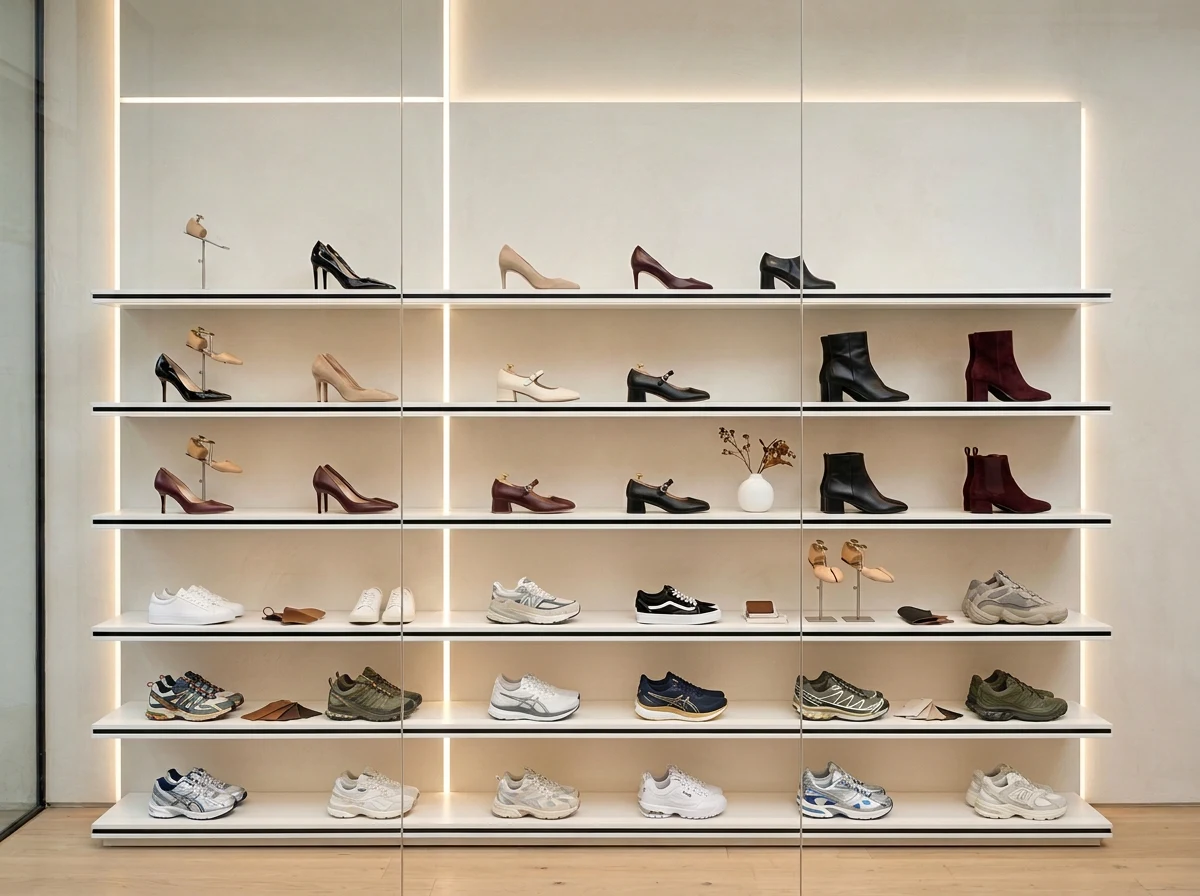
Shoes on retail shelves are almost always sold in pairs. A person with a unilateral amputation must buy a full pair and leave one shoe unused. Prosthesis wearers struggle to find shoes that combine appearance with a suitable fit around the prosthetic structure. People with unequal limb lengths face limited in-shoe height adjustment or conspicuous external platform soles. Mass production assumes feet are symmetrical, level and complete, leaving minority needs outside the standard. What people want is modest: a secure fit, balanced loading and a coordinated appearance, with the option to order and buy a single shoe.
Technology for good should do more than recognize hardship. It should address the small, practical obstacles hidden in everyday life.
Using the PollyAlign AI digital foot manufacturing platform, PollyPolymer brings 3D-printed lattice materials and digital foot twins into real walking applications for people with limb differences. Two dedicated customization series address needs that the footwear industry has long overlooked: single-shoe customization and delivery, without compromising simply to make a pair.
Polly Align‑SoleOne
Single custom shoes and footwear for prosthesis wearers
Developed for people with amputations and those who wear prostheses, this service challenges the assumption that footwear must come in pairs. A single shoe can be customized and delivered independently, without paying for another shoe that will never be worn.
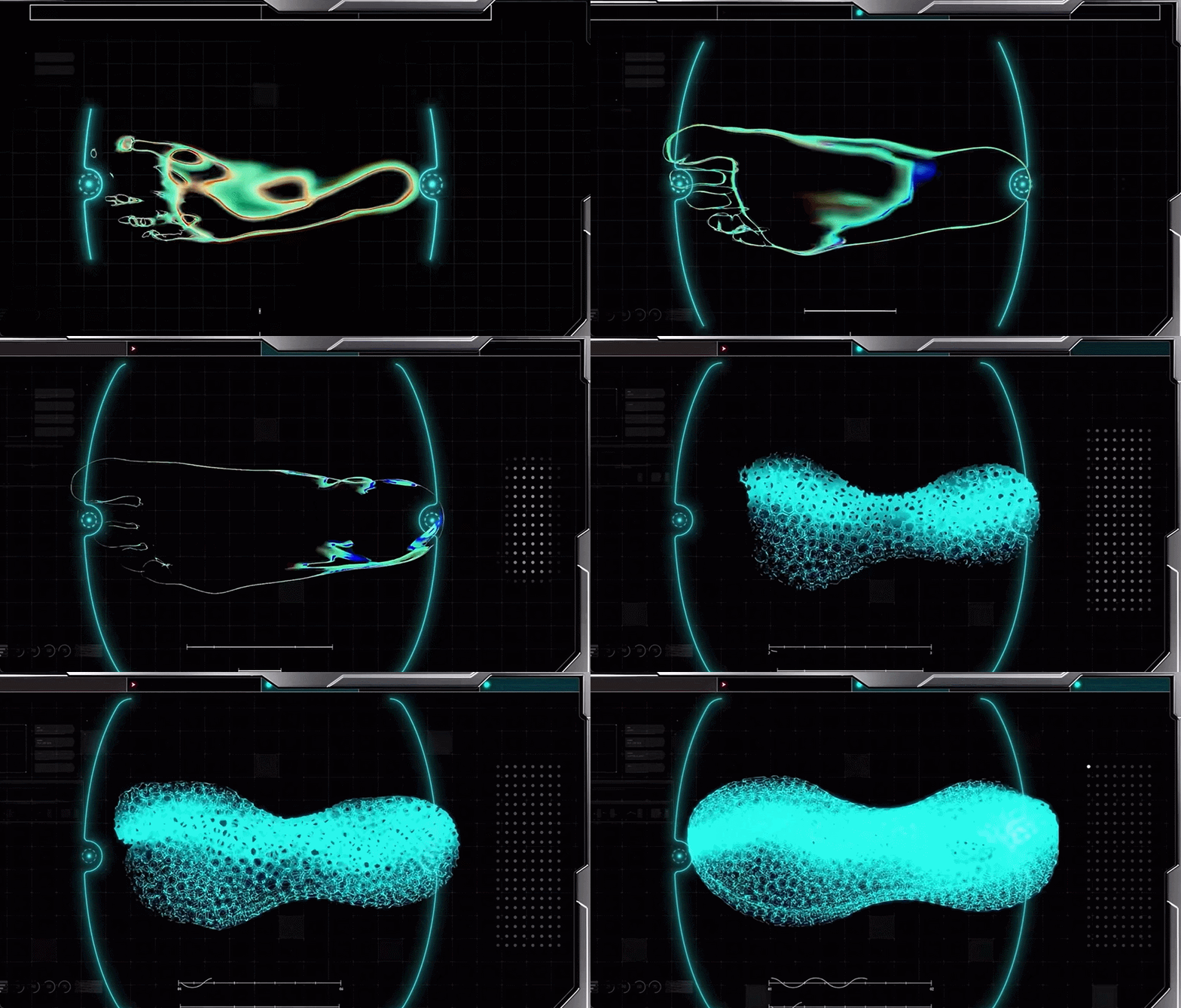
A 3D scan captures the foot on the unaffected side to reproduce the shoe’s shape and coordinate the appearance of both sides. The internal shoe space and last structure are also adapted to the prosthetic structure, balancing fit, stability and appearance.
For commuting or leisure, wearers need no longer be limited to bulky specialist footwear. They can choose shoes with the look and feel of everyday styles and step outside with comfort and confidence.
The core value is single-shoe ordering, a coordinated appearance, a fit adapted to the prosthetic structure, and less waste from unused shoes.
Polly Align‑HeightMatch
Custom height-compensation insoles and integrated lift shoes
For people with unequal limb lengths, digital customization offers different approaches according to the height difference, aiming to improve pelvic alignment and walking gait.
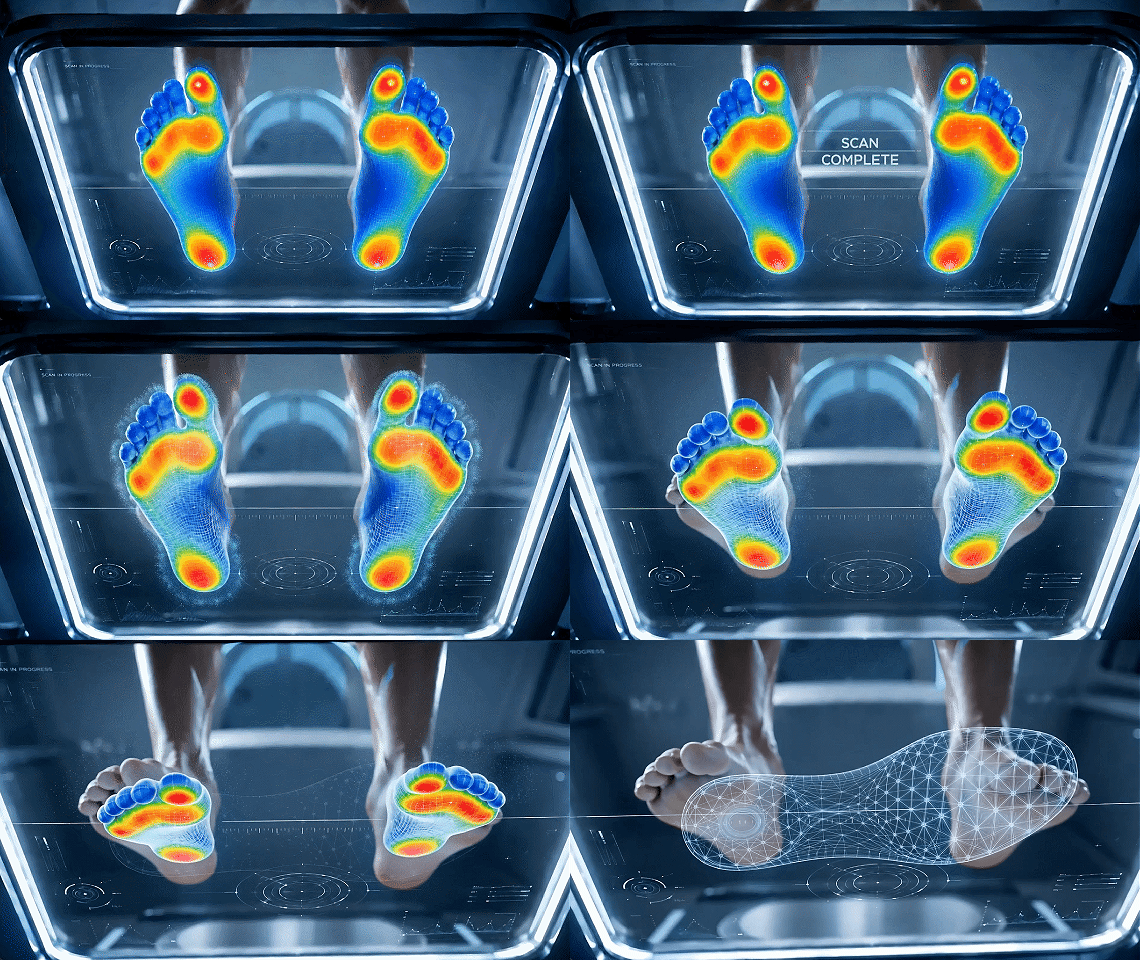
For smaller differences, custom lattice lift insoles use AI-generated elastic structures designed to resist collapse and distribute plantar loads evenly. Height compensation fits inside existing shoes to help address body tilt.
For larger differences, integrated custom lift shoes place the compensation structure within the sole, minimizing the visible difference and avoiding the conspicuous appearance of external platforms. The sole’s mechanical structure is optimized to reduce ankle-turning risk while maintaining walking safety and a natural appearance.
Every model is based on the individual’s 3D foot data, with a personal digital record and millimeter-level adaptation rather than a generic off-the-shelf compromise.
Be My Eyes uses human connection to support independent living for people with visual impairments. PollyAlign aims to use materials, algorithms and manufacturing technology to give people with limb differences greater freedom to walk.
Accessibility is not an optional embellishment to charitable work. It is somewhere technology should already reach. People should not have to fit society’s idea of standard feet. We make footwear for the body a person actually has: a single shoe, a specialized shape or something different.
The value of technology lies not in creating a perfect product, but in accommodating bodies as they are and helping ordinary people move into a wider world. We look forward to working with more footwear brands and rehabilitation organizations to bring this customization capability to people who need it, so every unique foot can find dependable support.